
Published: Aug 8, 2025
Steam plays a crucial role in countless industrial processes. However, the way this steam is generated has a major impact on efficiency, safety, maintenance and operational flexibility. Traditional steam boilers are characterised by large water volume, long heat-up times and higher maintenance requirements. The Clayton steam generator, based on the monotube water-tube principle, offers a compact and energy-efficient alternative.
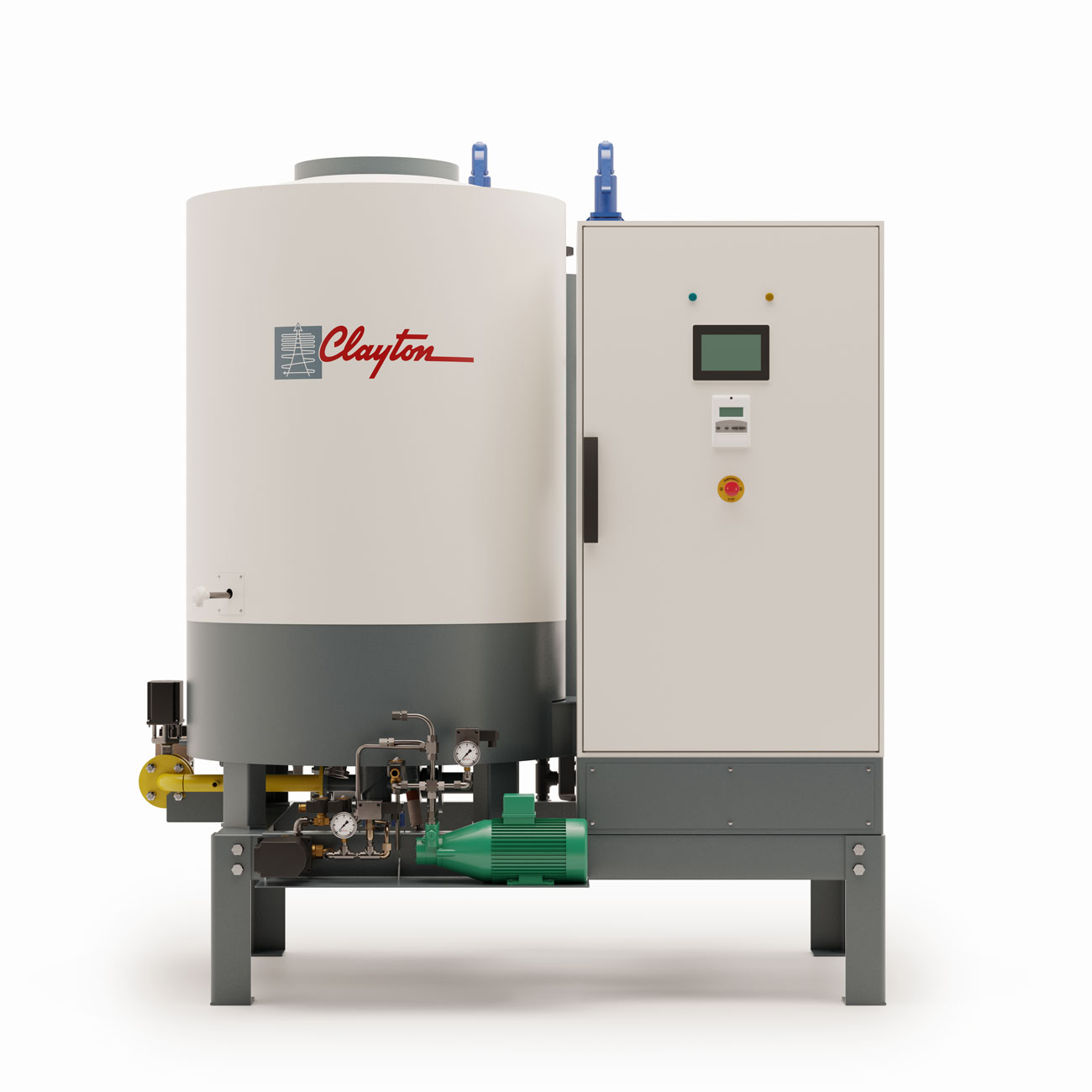
The steam generator uses a helical water tube with forced circulation. A feed pump moves the water through the coil, where it is almost instantly converted into dry steam.
Key characteristics:
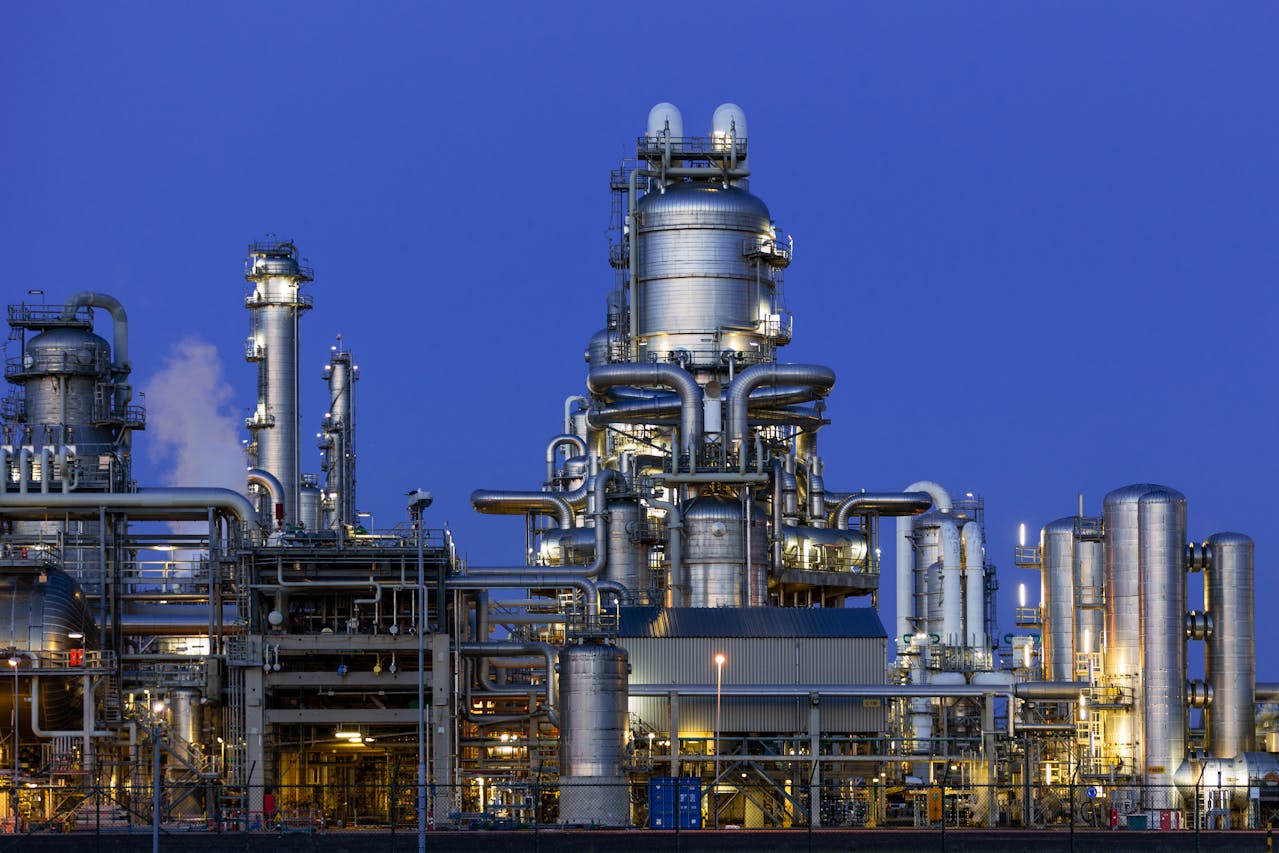
This boiler contains a large volume of water that is indirectly heated by combustion gases.
Typical characteristics:
Steam is essential in many industrial processes. But the way you generate that steam makes a big difference. While traditional steam boilers are often slow, bulky and maintenance-heavy, the Clayton steam generator offers a modern, compact and efficient alternative. In this comparison, we explain why more and more companies are switching to a Clayton solution.
| Feature | Quick Steam Generator | Steam Boiler | Clayton Steam Generator |
|---|---|---|---|
| Steam Quality | Wet steam. Low quality. | Moisture carryover increases during sudden demand. | Steam is 99.5% dry saturated, best available quality. |
| Quick Start Up | Short heat-up but high losses due to purging. | Up to 60 min startup time due to large water mass. | Startup within 5 min. Low heat requirement. |
| Rapid Response | Rapid but fluctuating pressures. | Lag limits flexibility. | Rapid adjustments without losing stability. |
| Safety | No info available. | Risk of steam explosion. | No explosions ever due to no large water storage. |
| Scale Control | Rapid scale build-up. | Scale forms easily, affects performance. | Easy detection, early corrective action. |
| Water Level Safeguards | Limited/unreliable safeguards. | Loss of water level can cause catastrophic failures. | No discernable water level, no controls needed. |
| Burner Operation | Frequent switching causes high fuel use. | Constant switching, high energy waste. | Fully modulating, off when no demand. |
| Maintenance | High wear and premature corrosion. | Corrosion repairs expensive. | Designed for low maintenance. |
| Steam Reserve | No steam reserve. | Limited reserve (~2 min). | Reliable pressure control, no issues. |
| Automatic Operation | Needs trained operators. | Supervision required. | Fully automatic, minimal human intervention. |
| Running Costs | No info available. | High running costs due to inefficiency. | High efficiency and lower running costs. |
| Space and Weight | Low space and weight. | Three times larger, up to 7x heavier. | Compact size, low installation costs. |
| Blowdown Losses | No blowdown, contaminants in steam. | Regular blowdown from entire water volume. | High tolerance, minimal blowdown. |
Delivers steam instantly for fluctuating or cyclical demand, ideal for batch processes and peak loads.
The low water content minimises risks of explosion or overpressure.
Very dry steam (≥ 99.5%) suitable for critical applications in food, pharmaceutical and chemical industries.
Requires up to 80% less space than traditional boiler systems, ideal for mobile or modular applications.
Modulation from 15–100% for optimal performance, even at low loads.
No fire tube, few moving parts and easily accessible components reduce maintenance time and downtime.
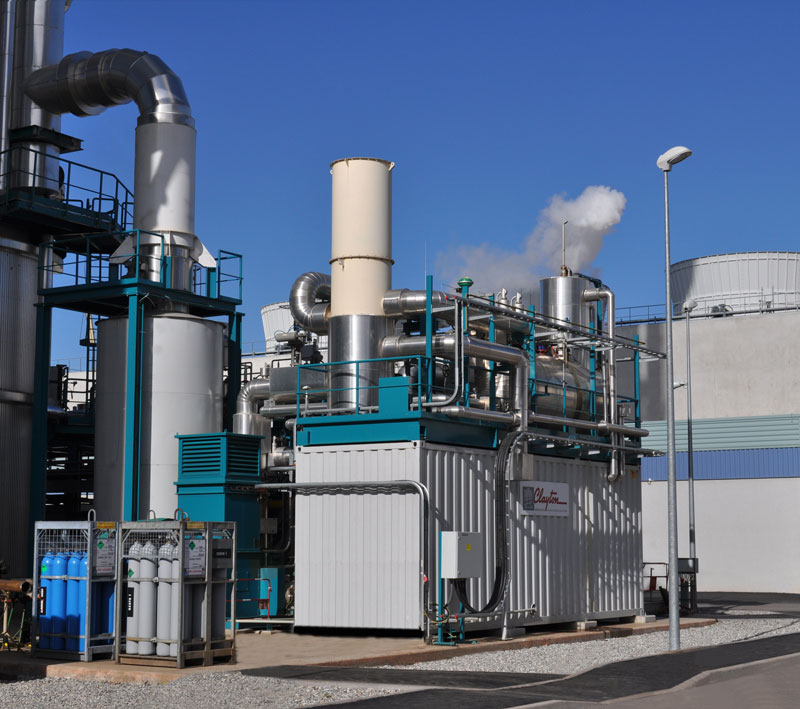
Clayton also supplies:
For new installations, replacement projects, or as a flexible backup, the Clayton steam generator offers a future-proof solution. The system combines safety, speed, compactness, energy efficiency, and reliability in a single installation, tailored to specific process requirements.
















Clayton is a global manufacturer of industrial steam solutions. European production and engineering have been carried out since 1961 in Bornem, Belgium, where Clayton of Belgium serves as the EMEA headquarters and main production hub for Europe, the Middle East, and Africa. The global headquarters of the Clayton Group is located in California, with additional production facilities in Mexico and Europe, and subsidiaries in France, Germany, the Netherlands, Spain, and the United Kingdom.

WORK SAFETY



