
Seaside Farm lost 8% of its tomato crop each year because it was too ripe to ship.
It’s all about the tomato,” says Ross Taylor, a fifth-generation heir of the family tomato farming business, Seaside Farm. Every year the family sells 20 million pounds of their tomatoes to restaurateurs and local grocers mostly along the East Coast.
“We pick them mature green. We can’t ship a ripe tomato,” said Mac Sanders, Ross’s uncle. Tomatoes ripen to their luscious red color naturally when the plant produces ethylene, an odorless, tasteless chemical. But fruit waste was always a problem. Come picking time every year, about 2 million pounds of tomatoes were too ripe to ship, so they paid to have them thrown away.
Then during harvest a few years ago, Ross and some visiting college buddies seized on a passion to concoct the perfect Bloody Mary mix. One thing led to another, and soon Ross had an idea of how to put all that wasted fruit to good use.
Recipe in hand, Ross recruited Uncle Mac to help design the process, facility and equipment needed for production. Obviously, they’d have to work with a high volume of ripened fruit in real time during harvest. Yet there was little available land on the island, so to keep start-up costs low they would have to build a space-efficient facility to suit the purpose.
Mac’s due diligence for the right steam boiler led them to Pack Expo in Chicago, and after speaking with several competitors, the Seaside Farm team zeroed in on Will Brozowski, Sales Engineer for Clayton Industries.
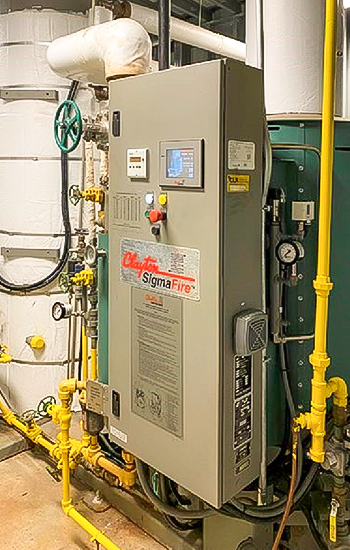
“Mac and Ross came to our booth with a clear idea of what they needed: an extremely safe, small footprint, high-efficiency steam boiler capable of generating the necessary on-demand heat to keep their kettle operating at peak capacity,” Will said. After the convention, Mac sent Will a spec sheet for the FMT equipment and the floor plan for the optimized building. He continued: “Those tomatoes would be already ripe, at their most flavorful, and there would be a lot of volume. The Seaside Farm challenge was to bottle that flavor before it was lost, in the space they had, and to do it cost-effectively.”
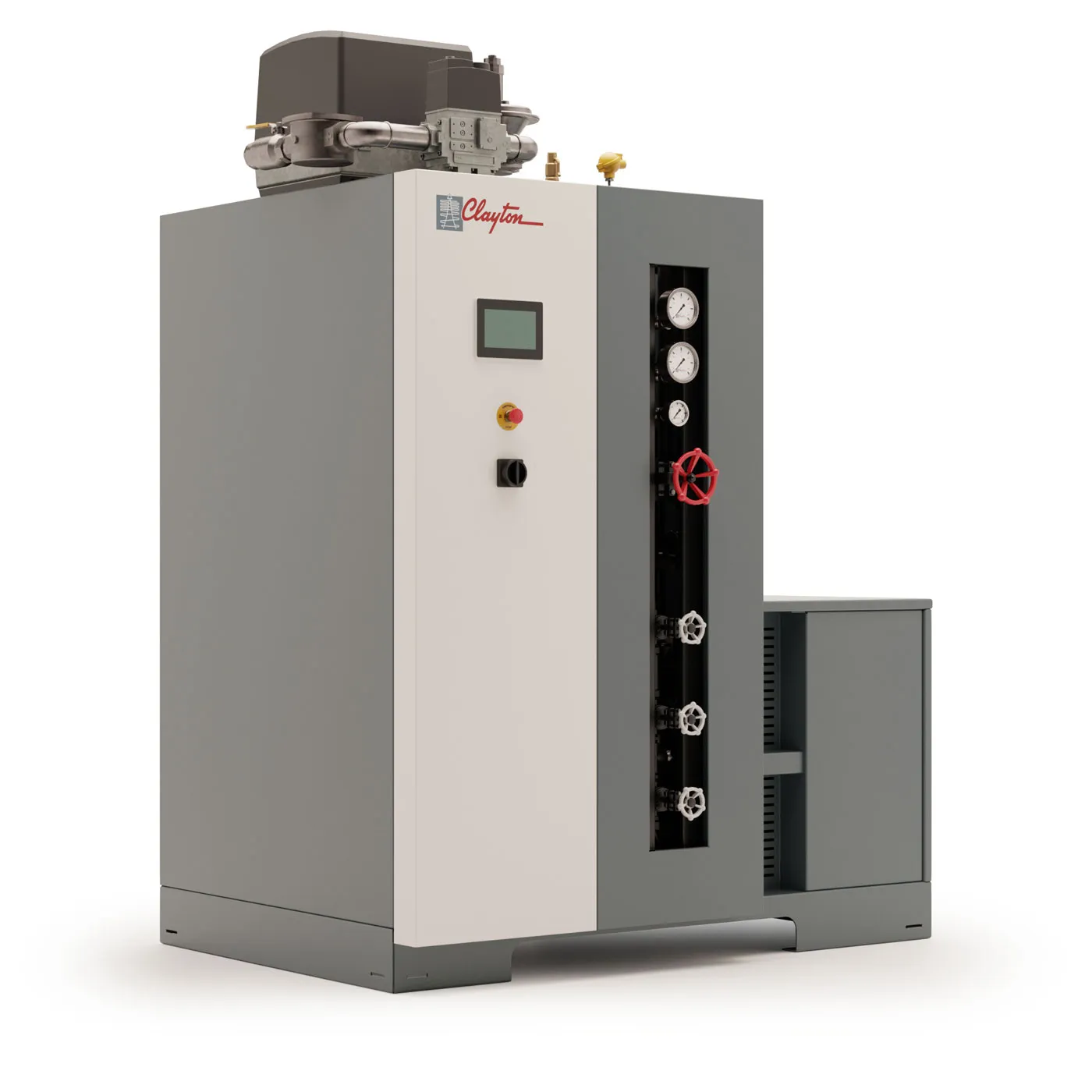
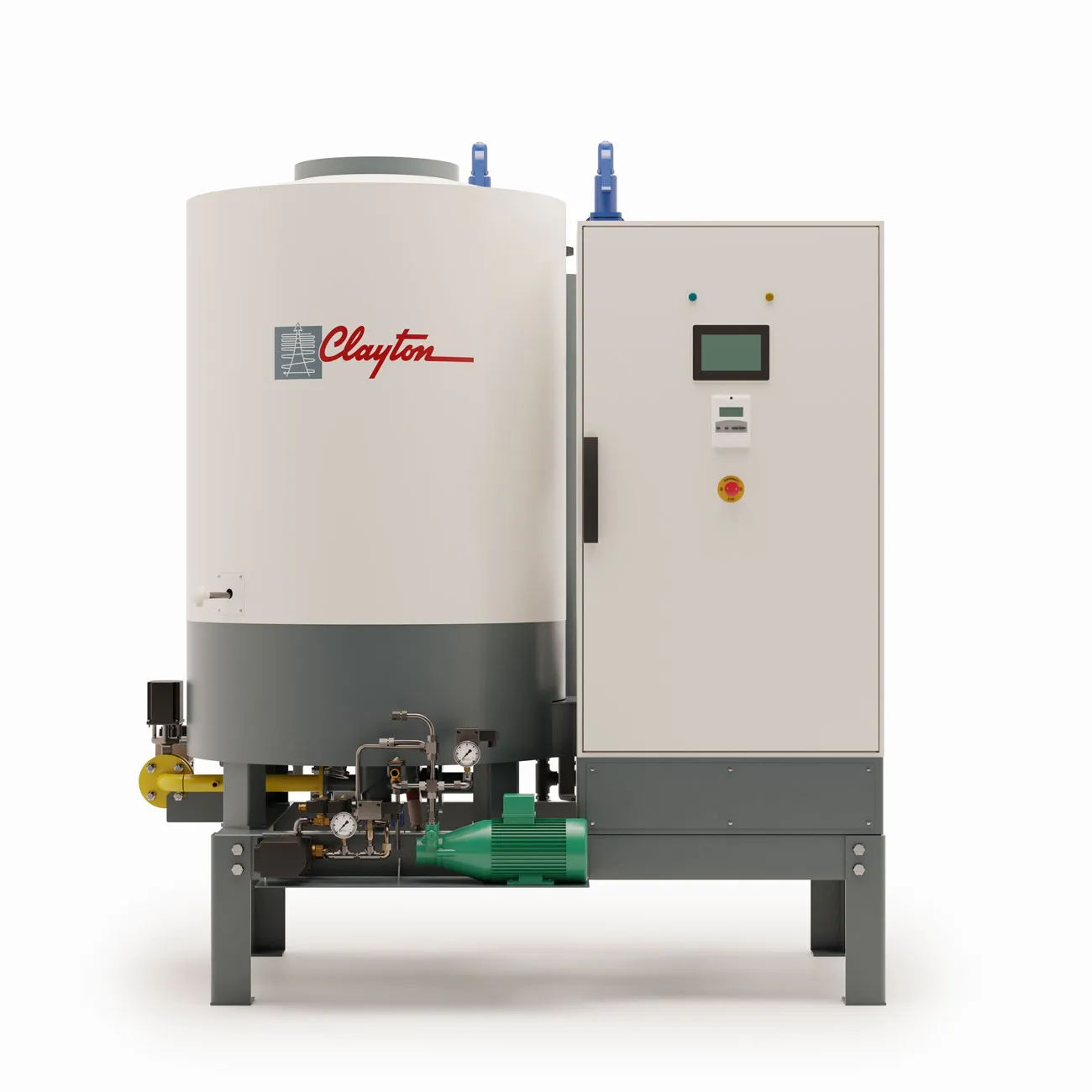
“Every customer is different,” said Will, “but they all have to solve a business problem that matters to their success. They did their homework on us – it was our turn to help them find a great solution.” As a start-up effort, Seaside didn’t have room for a do-over. The fact pattern led Will to specify the SigmaFire SF50 Steam Generator 50BHP. The unit’s compact size and low weight would be ideal for the Seaside Farm building and mesh well with the FMT food processing equipment. It is capable of full steam pressure with a five-minute cold start for use on demand, generates the highest steam quality of any competitive design to prevent contamination, with a fuel efficiency that would help keep operating costs low for this fledgling business concern.
Due to the scale of the Seaside operation, it took just six months from meeting at the trade show to completed installation. Will said, “We monitored the installation process throughout to make sure everything was done properly. The island is so beautiful we always looked forward to our site visits, but we do the same for every customer.”
The swift process helped the family get the new venture up and running by the following harvest, processing up to fifteen 400-gallon batches per day during peak season. “The SigmaFire SF50 Steam Generator could keep up with the job we needed without breaking a sweat,” said Ross. “The operation costs are fantastic. The burn usage – propane and everything – have been nominal to the degree that we’re not sure how many times we get the tank filled. And we run it hard, six to seven days a week.”

Clayton helps fifth-generation farm reach for the future.
A new business brand was created – Seaside Grown, promising a “Farm to Table, Field to Glass” product line featuring their tomato-based original Bloody Mary mix, salsas, hot sauces, and barbecue sauces. The family has already expanded from there to include a wide variety of jams, non-tomato sauces, and hand sanitizer.






















Clayton is a global manufacturer of industrial steam solutions. European production and engineering have been carried out since 1961 in Bornem, Belgium, where Clayton of Belgium serves as the EMEA headquarters and main production hub for Europe, the Middle East, and Africa. The global headquarters of the Clayton Group is located in California, with additional production facilities in Mexico and Europe, and subsidiaries in France, Germany, the Netherlands, Spain, and the United Kingdom.

WORK SAFETY



 Discover more